
Jane Corrie has run tables across four regions for more than forty years, and she still reckons the best home games start with a rake that never bites. That same practical eye applies when you want a poker home game online free without the noise of a crowded casino floor. The appeal is simple: a relaxed lobby, familiar hand rankings, and a pace that suits an evening in Brisbane rather than a late shift on the pit. What follows is a grounded look at how a free, home-style setup holds up when you care about game mix, discovery, and the small operational details that separate a tidy session from a messy one. If you already keep a round account with a local operator, you can even start from a goldenbet casino login round account setup and treat the free tables as a low-pressure warm-up before any real-money work.
A Lobby Built for Pickup-Style Play
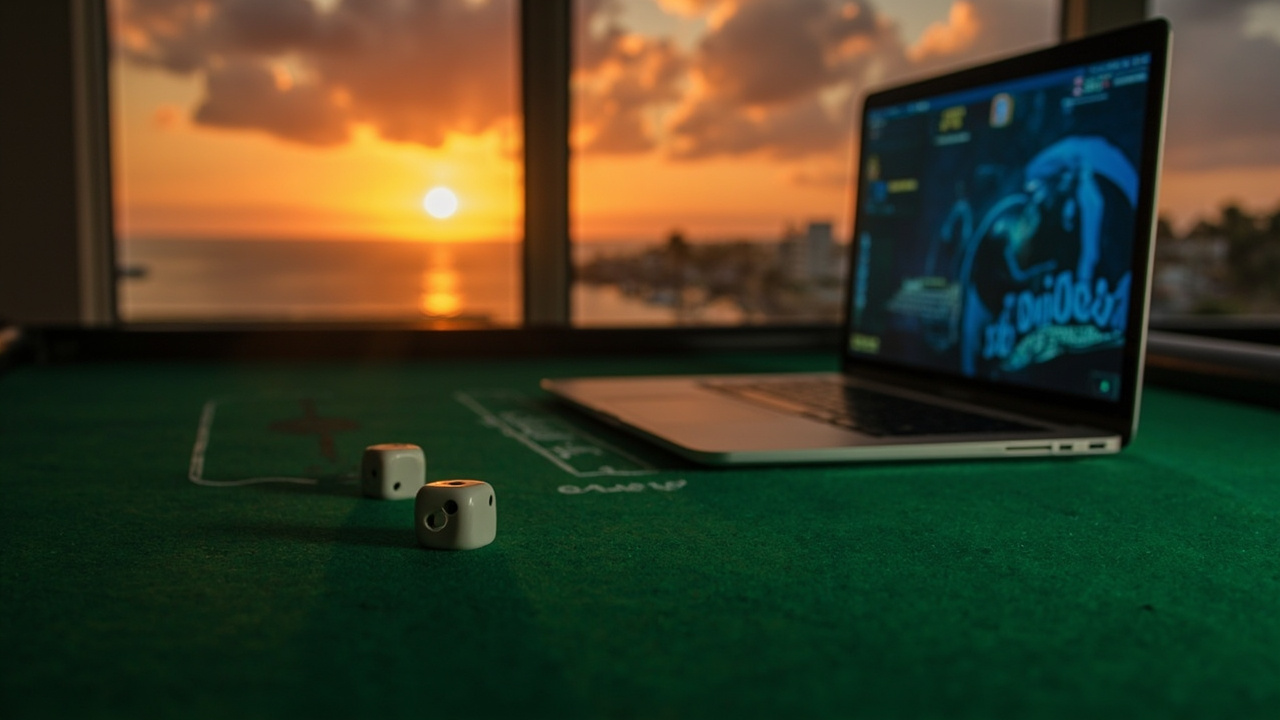
A free home game should feel less like a broadcast studio and more like a card night where the host sets the pace. The lobby needs a clear game mix so you can find a no-limit hold’em table, a sit-and-go, or a casual spin-and-play without clicking through half a dozen menus. Good lobby organisation matters because discovery is where most sessions live or die; if you cannot spot the right stake, seat count, and format in a few seconds, the table stops feeling like a home game and starts feeling like a chore. A tidy filter set, a sensible sort order, and a search box that actually understands “six-max” or “tournament” are the kind of details Jane Corrie would approve of, because they reduce friction before the first card is dealt. The providers behind the tables should be listed plainly, with table rules visible up front so you know whether a bad beat jackpot or a progressive side pot is in play. Slots do not belong in the middle of this experience, but a separate, well-labelled section keeps the poker tables from getting crowded out. When the lobby is organised around format first and promotion second, a free session becomes a practical way to test a new table layout or a different blind structure without spending a cent.
How the Free Tables Actually Work
The money side of a free home game is deliberately quiet, which is the point. There is no rake in the traditional sense when you are playing with play money, but the same discipline still applies: if a platform ever introduces a tournament fee or a small percentage taken from each pot, that figure should be stated plainly before you sit down. Jane Corrie’s pit experience shows up here, because she has always argued that any charge, however small, needs to be visible on the table felt rather than buried in fine print. In a free environment, the real cost is attention and time, so the registration flow should be quick, the mobile layout should keep the action legible on a phone, and the support team should answer a rules question without making you wait through a long menu. Currency display should be local and consistent, even when no real funds are moving, because mixed signals on dollars and cents confuse more than they help. Loyalty features, if they exist, should track participation rather than push you toward a deposit, and bonus mechanics should stay separate from the free tables so the play money remains a clean practice space. A well-run free game does not pretend to be something it is not; it gives you a stable table, honest rules, and a way to leave without a trail of unresolved balances.
A Quick Conversation on Pace and Table Discipline
I asked Jane how a free home game should handle the moments when a table gets busy as a Friday arvo and the chat starts to drift. She said the answer is not louder graphics or faster timers, but a host-style rhythm that keeps the hand speed honest. In her view, a good free table gives players enough time to read a bet, check a pot, and make a call without feeling rushed, while still moving along so the session does not stall. That is where shift-operations thinking matters: a table that runs too hot burns people out, and one that drags loses the home-game feel entirely. She also pointed out that a free game is a useful place to practise table talk and basic etiquette, because the pressure is lower and the mistakes are cheaper. If a platform lets a few regulars set a friendly pace, or at least keeps the blinds and turn timing consistent, the session feels more like a living room than a floor. The best tables, in her judgement, are the ones where the software stays out of the way and the players set the tone. goldenbet casino login round account setup
When Practice Meets Real-Money Responsibility
A free home game is a useful rehearsal, but it is not a substitute for clear-headed decisions once real money enters the room. If a session ever moves from play money to a funded account, the same discipline should carry over: know the table rules, watch the pace, and treat any fee or contribution as part of the cost of play rather than an afterthought. Australians who find that gambling starts to strain a budget are better off speaking with financial counsellors who help restructure gambling-related debt, because a calm plan beats a rushed one every time. The free tables can still earn their keep here, because they let you test a format, check your own tilt, and decide whether a particular game mix suits your style before you commit funds. A sensible setup keeps the free and funded experiences separate enough that you can tell where practice ends and real play begins. That honesty is what makes a home-style poker session worth returning to, whether you are in Brisbane on a quiet arvo or somewhere else entirely.
- Rake: a small percentage the house takes from each pot or as a tournament fee.
- Play money: virtual chips used for free practice with no real-world value.
- Six-max: a table format with up to six seated players.
- Bad beat: a strong hand that loses to a weaker one at showdown.
- Blind structure: the schedule that raises forced bets over time to pace a tournament.